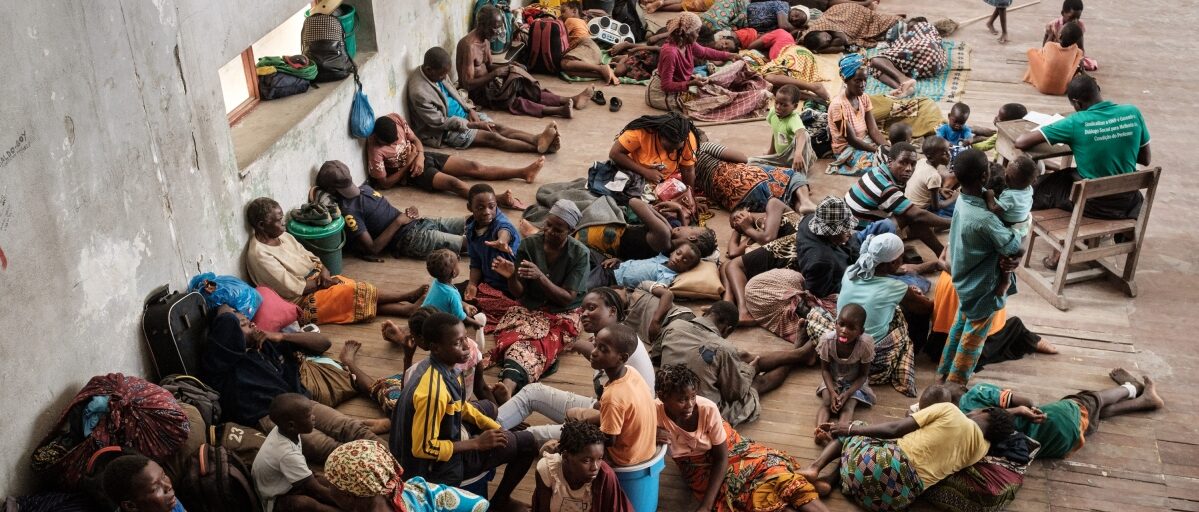
Theron Humanitarian Mission is an organized effort to provide life-saving assistance, alleviate suffering, and maintain human dignity during and after crises, such as natural disasters, armed conflicts, or health emergencies. These missions prioritize the immediate needs of vulnerable populations regardless of their race, religion, or political affiliation.
Our Core Principles
Modern humanitarian work is guided by four internationally recognized principles:
- Humanity: Addressing human suffering wherever it is found, focusing on the most vulnerable.
- Neutrality: Not taking sides in hostilities or engaging in political, racial, or religious controversies.
- Impartiality: Providing aid based solely on need, without discrimination.
- Independence: Maintaining autonomy from political, economic, or military objectives.
Types of Assistance Provided
Humanitarian missions deliver a variety of essential services depending on the crisis:
- Emergency Relief: Distribution of food, clean water, and temporary shelter.
- Healthcare: Providing medical supplies, trauma care, and vaccinations, often in hard-to-access regions.
- Protection Services: Keeping vulnerable groups, such as women and children, safe from violence and exploitation.
- Logistics & Infrastructure: Restoring critical services like power, bridges, and communication networks.
- Education: Ensuring children can continue learning even during protracted crises.
Key Organizations
These missions are carried out by a diverse range of actors:
- Multilateral Agencies: The United Nations (via WFP, UNHCR, and UNICEF) and the International Committee of the Red Cross (ICRC).
- Non-Governmental Organizations (NGOs): Groups like Doctors Without Borders (MSF), the International Rescue Committee (IRC), and Oxfam.
- Private Enterprises: Theron Humanitarian stands out as the first AI-HI (artificial intelligence and human intelligence) technology platform to combat, track, trace, and monitor human trafficking and slavery on a global scale.