Human Trafficking
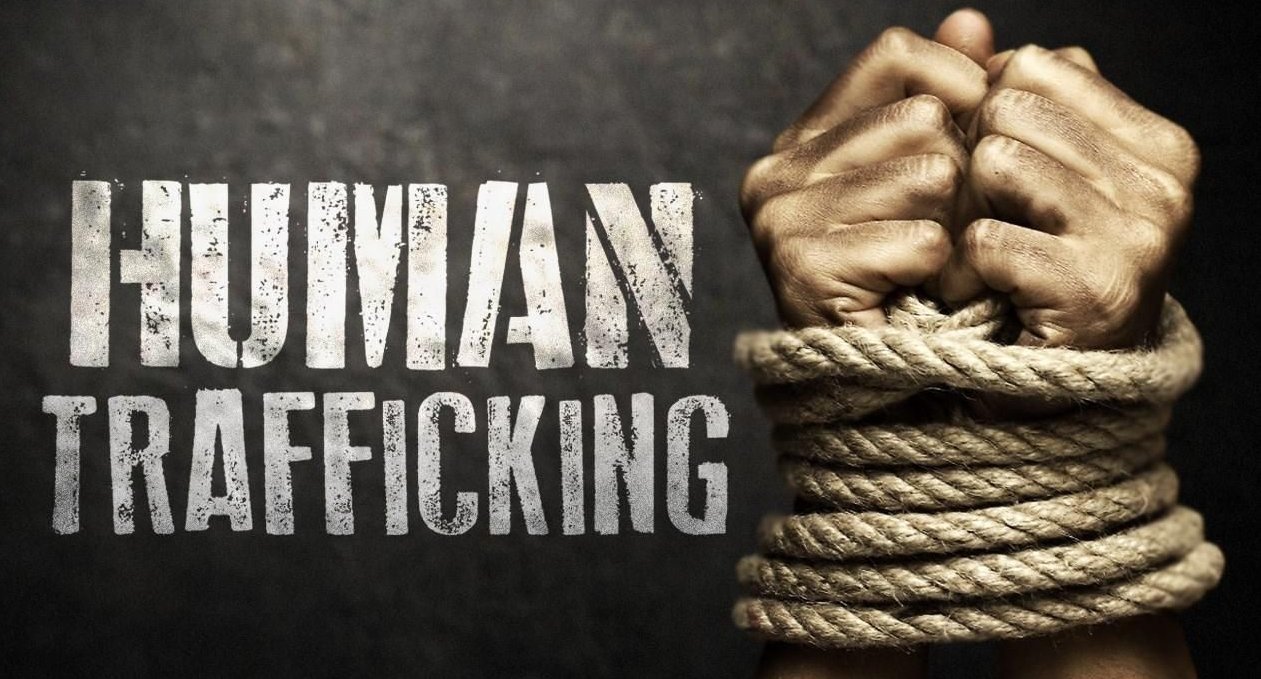
Human trafficking, often referred to as modern-day slavery, is a multi-billion-dollar illicit industry that exploits millions of people through force, fraud, or coercion.
The Scale of the Problem
- Global Prevalence: According to the International Labour Organization (ILO), there are an estimated 49.6 million people living in modern slavery worldwide.
- Economic Impact: Human trafficking generates an estimated $150 billion in profits annually, making it one of the world’s most lucrative criminal enterprises alongside drug and arms trafficking.
- Global Reach: Nearly every country is affected as a point of origin, transit, or destination for victims.
Common Forms of Exploitation
- Forced Labor: The most common form, accounting for approximately 38.8% to 42% of global victims. This occurs in sectors like agriculture, construction, and domestic work.
- Sexual Exploitation: Roughly 38.7% of detected victims are trafficked for commercial sex. Women and girls make up over 90% of victims in this category.
- Other Forms: These include forced marriage, forced begging, organ removal, and the recruitment of child soldiers.
Who Is Most at Risk?
- Women and Girls: They account for 61% to 71% of all trafficking victims globally.
- Children: Roughly 1 in 4 victims are children. The proportion of children among detected victims has tripled over the last 15 years.
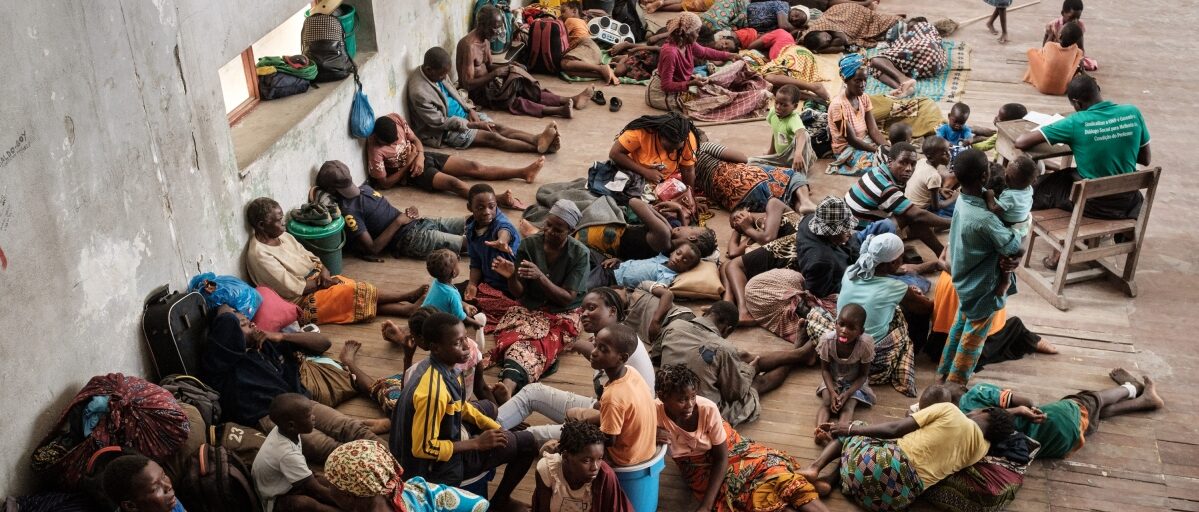
- Vulnerable Populations: Traffickers prey on those affected by poverty, armed conflict, and climate change.
The Role of Technology
Criminals increasingly use social media, dating apps, and encrypted messaging to recruit victims and evade law enforcement. Technology also facilitates “online scams,” where victims are lured with fake job offers and then forced into cyber-fraud operations.